| The Sikhs follow a luni-solar calendar, similar to the Hindu calendar. This means that it takes into account the movement of both the sun and moon while calculating the calendar. There are 12 months in a year and each month consists of 29 to 30 days. The month usually begins with the new moon, though some Sikhs consider the full moon the beginning. An extra 13th month, Adhikamasa is added every three years to adjust with the solar year. | 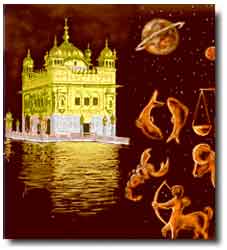 |
|
The full-moon day is considered an important day, for it was on the full-moon day of Kartik that Guru Nanak was born.
Each year has six seasons: As most Sikhs have some association with agriculture, the harvest season has great importance. Two of the most important Sikh festivals, Baisakhi and Lohri, are linked to farming. Both these festivals are based on the solar calendar and fall on the same day every year. |
|
 Ram Navami
 Passover
 Personal Finance Guide
 Multifaceted Blog
 Good Morning
 Dating
Ram Navami
Ram Navami Greetings and Images
Passover 2024
Passover Greeting Cards
Earth Day
Earth Day Greetings
May Day
Mother's Day
Multifaceted Lifestyle Blog
How to have a Great Date
|
|