Almost all the histories of Diwali point to the triumph of the Good over the evil, and the celebrations aftermath. The celebrations after the taming of the bad, have given rise to the festival of lights, Diwali. The most popular, and widely believed history is the returning of Lord Rama to Ayodhya, after He defeated the demon king Ravana, and returned home with his wife, Mata Sita. There are a few other beliefs too, regarding the festival's origin, the more popular ones being the defeat of Mahishasure and Naraka.
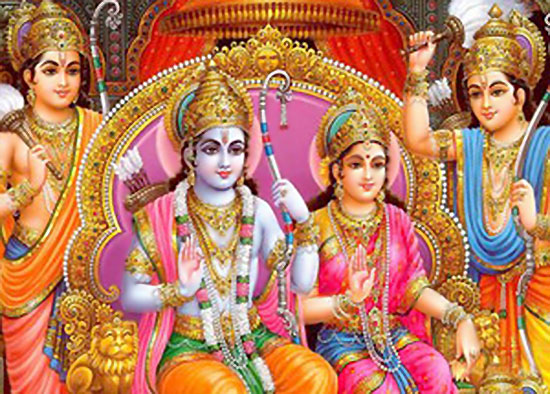
Some histories, however, is of a different view, namely origins from the beloved King Bali, Samudramanthan and Lord Indra's defeat.
Here we present you with all the six view of the history of Diwali. We have also provided with a synopsis of the epic Ramayana in the Rama's page. Read on, and know about these wonderful Hindu mythologies:
Click here for Diwali Puja Muhurtas for India, USA, and rest of the world
Gift Ideas | Games | SMS | Diwali & Bhai Duj | Thali Decoration

 Mother's Day
 Passover
 Personal Finance Guide
 Multifaceted Blog
 Good Morning
 Dating