|
The Exodus is the central event of Jewish faith. It gave to the Jews a very special ideal and a very special gift - the knowledge that everyday reality is grounded in a divine reality. There is a God who loves, who cares, who wills human redemption and promises that it will happen. Thus the Exodus was not a single completed historical event. It transcends history to become a Revelation that human beings are meant to be free; that they are endowed with dignity as children of God; that someday the whole world will be restructured into the Kingdom of God, and that this restructuring will take place politically, economically, socially, so that value and security will be given to each person. This is the fundamental testimony of Jewish religion: and the task of giving that testimony, and of bringing about that Messianic age is the calling of the Jewish people. So great is the gap between this vision of hope and the reality of the world, that we are confronted with two tasks. First, we must make a compromise with reality so that if perfection cannot be achieved now, at least we can improve on the status quo. For example, Jewish tradition prefers vegetarianism but as a compromise permits the eating of meat so long as it is done in accordance with the restrictions it imposes, such as humane slaughter, removal of blood, etc. Similarly, it demands peace but permits war in such cases as self-defense. Secondly, the memory of the Exodus must be kept vividly alive so that we will remember the real vision and never yield to the status quo. If we can strive to experience the Exodus personally, we can find the strength to act ethically by its standards and to strive to approach perfection, thereby lifting our compromises a higher notch towards the ideal. This is why the Torah insists that each Jew must relive the Exodus so that everyone will feel as if he/she personally came out of Egypt. "That you will remember the day out of Egypt all the days of your life." (Deut. 16, 3). Every day there are reminders - in the regulations which govern the food we eat, in the morning prayer, in the tzitzit (fringes), in the tefillin (phylacteries). But twice a year, the Jewish people actually reenact the drama of the Exodus - in the week of Passover and the week of Sukkot. During these periods, Jews recreate the Exodus, become so much a part of it and enter into it so totally that they are changed and renewed by it. Like Galileo, we may be pressured and beaten by a status quo which demands that we renounce our discovered truth and agree that the world does not move, but, when we relive the Exodus, we are forced - even against our will to blurt out, "but it does move!" The year is anchored by these two reenactments of the Exodus. The first, Passover, comes on the 15th of Nissan: the first month of the Jewish year. The second, Sukkot, comes exactly 6 months later on the 15th of Tishrei. Passover is a springtime holiday officially observed on the anniversary of the Exodus; Sukkot is an autumn holiday which focuses on the Israelites' wanderings in the desert after the Exodus. The central symbol of Passover is matzoh, the bread of affliction and of slavery that became the bread of freedom. The central symbol of Sukkot is the Sukkah, the portable booth Jews lived in during the forty years of wandering in the desert. |
 Mother's Day
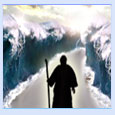 Passover
 Personal Finance Guide
 Multifaceted Blog
 Good Morning
 Dating
May Day
Mother's Day
Mother's Day Wallpapers
Cinco de Mayo
Multifaceted Lifestyle Blog
How to have a Great Date
All about Gardening in Apartments
Personal finance and Financial Independence
Online IBAN bank Account
Personal Loans
|
|